Sub-Total: £0.00

Our Lenten journey begins
26 February 2026
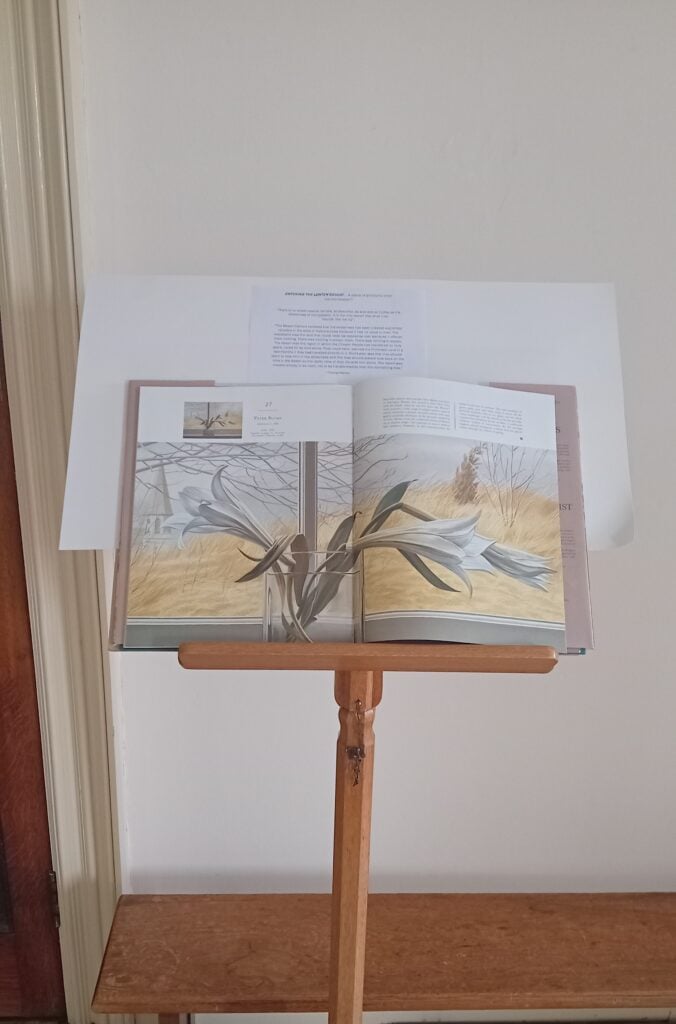
Each year, a sister displays an art picture often accompanied by a reflection to mark the weeks of the Lenten season in the monastery’s Antechoir.
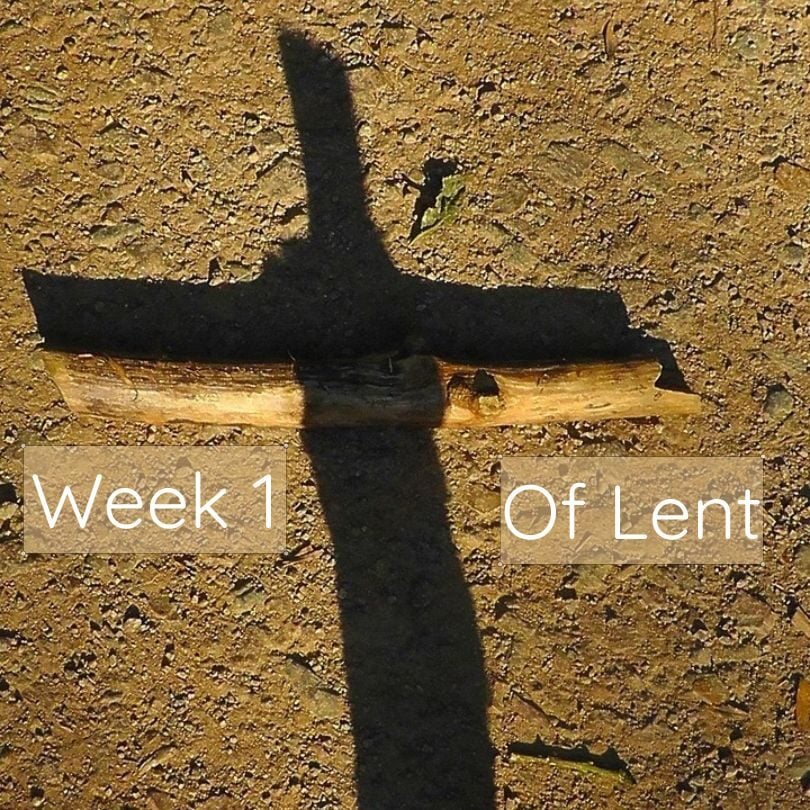
The season of Lent is a precious opportunity to take time to reflect, break away somewhat from our normal routine to focus more deeply on our spiritual growth and draw closer to God. Like a real pilgrimage, we are invited to follow Jesus into the desert, on a journey of renewal, prayer and repentance taking us all the way to the foot of the Cross but ending with the joy of Easter.
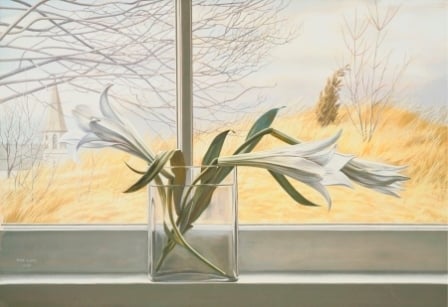
The strikingly beautiful painting above by Peter Blume captures something of a longing for new life in a seemingly frozen landscape. Set against this bleak winter backdrop, the lilies, often used as a religious symbol of resurrection, perhaps suggest a longing for release into new birth and hope. (source: Art in Bloom by Ella M. Foshay)
It reminds us of desert landscapes, too – barren places that are often used as a powerful spiritual metaphor. As Trappist monk Thomas Merton described it:
“There is no wilderness so terrible, so beautiful, so arid and so fruitful as the wilderness of compassion. It is the only desert that shall truly flourish like a lily…”
“The Desert Fathers believed that the wilderness had been created supremely valuable in the eyes of God precisely because it had no value to men. The wasteland was the land that could never be wasted by men because it offered them nothing. There was nothing to attract them. There was nothing to exploit. The desert was the region in which the Chosen People had wandered for forty years, cared for by God alone. They could have reached the Promised Land in a few months if they had travelled directly to it. God’s plan was that they should learn to love Him in the wilderness and that they should always look back on the time in the desert as the idyllic time of their life with Him alone. The desert was created simply to be itself, not to be transformed by men into something else.” ~ Thomas Merton