Sub-Total: £0.00

History
The story of our Carmel
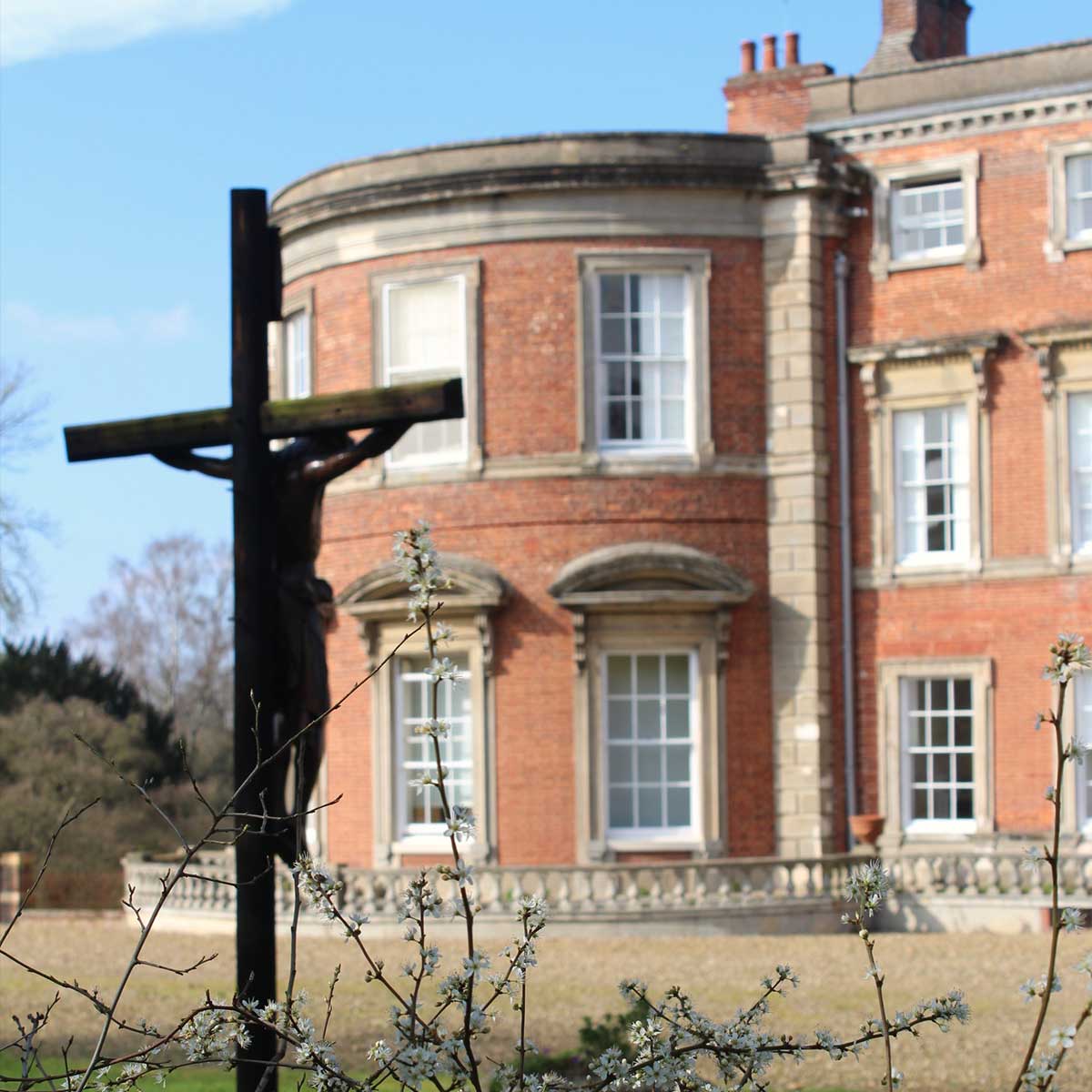
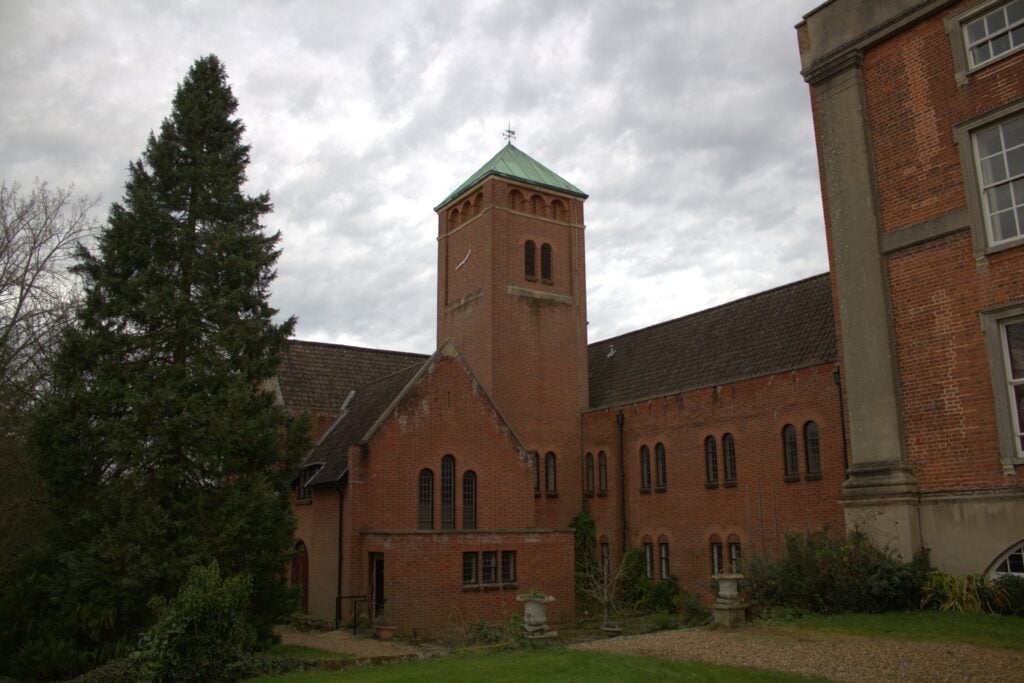
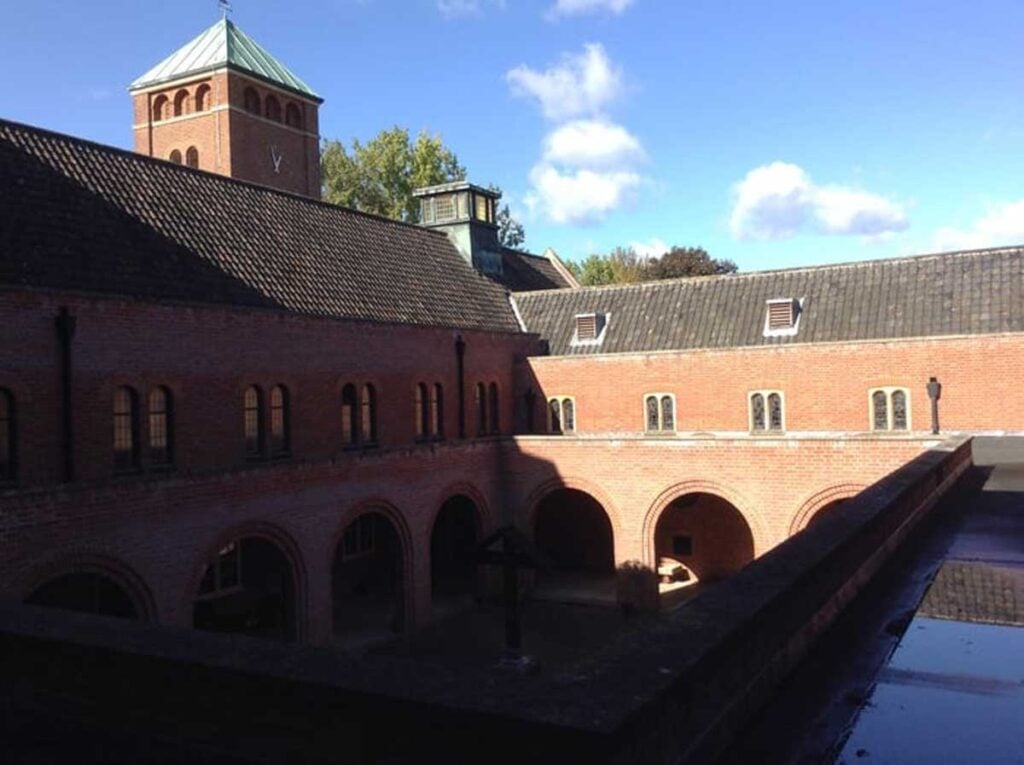
Quidenham Carmelite Monastery is nestled between vast areas of grassland and wooded areas in the heart of East Anglia, 22 miles away from Norwich. Established here since 1948, the Carmel represents the spiritual heart of the diocese, serving it with its intercession and prayer even as it witnesses to a living tradition of Carmelite life in Britain today.
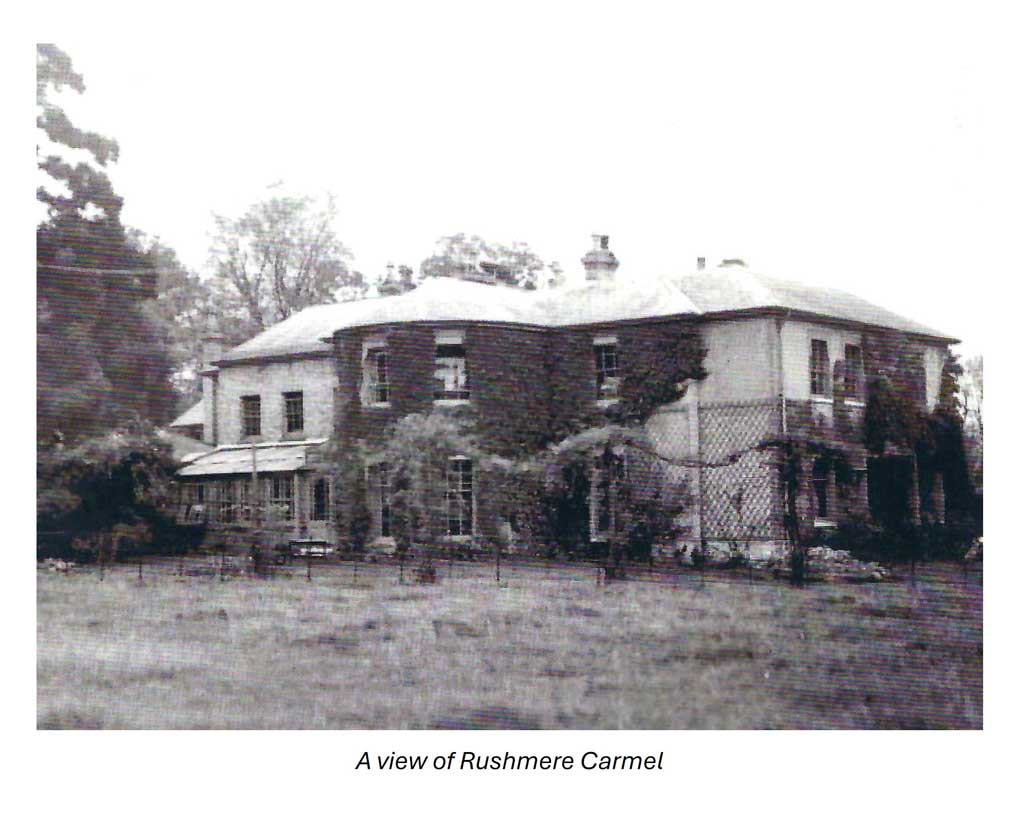
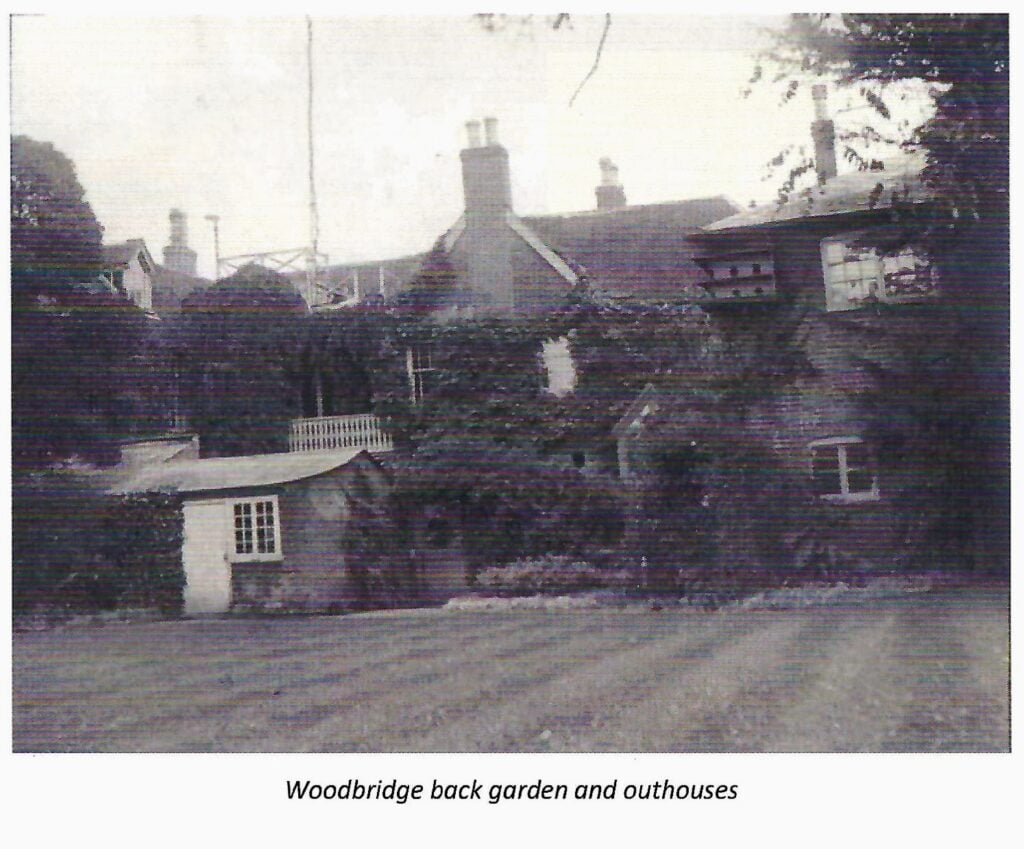
Our community at Quidenham Carmel started in the town of Woodbridge, Suffolk, where the first sisters arrived in 1921 from Notting Hill Carmel. Although they struggled with poverty, it was a flourishing time for vocations and soon the property became too small to house all the sisters. They moved to Rushmere in 1938 but there too the property soon proved too small to accommodate a growing number of sisters.
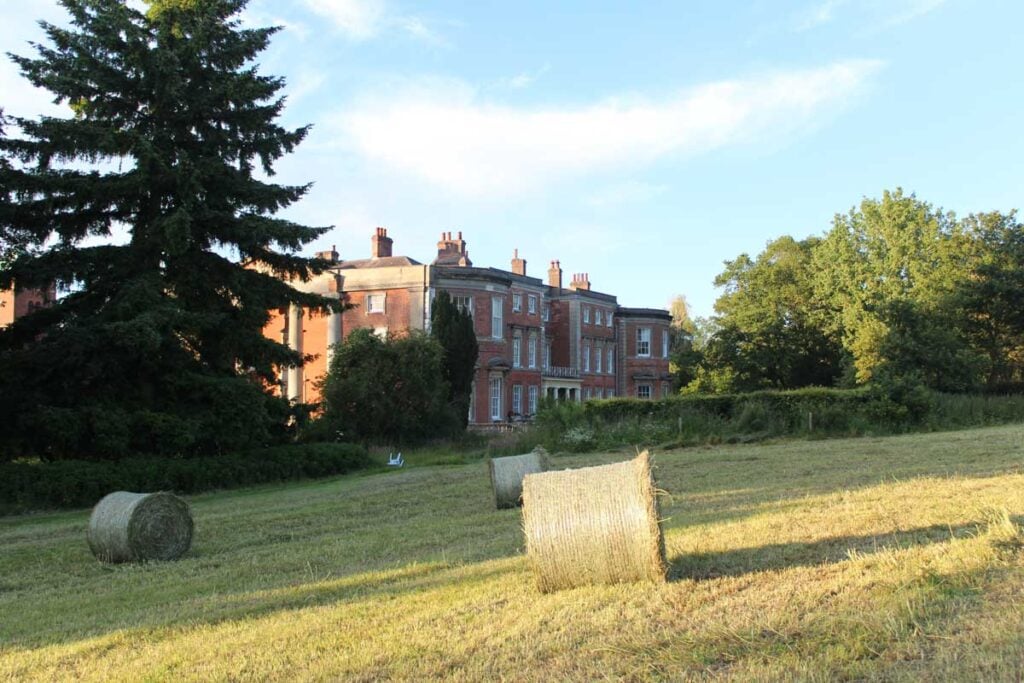
The sisters placed an advert seeking a bigger property and as Providence would have it, the owner of the Quidenham estate, Lord Albemarle, who had decided to sell it, answered it. So it was that in 1948 the sisters moved from Rushmere to Quidenham. The house was adapted into a monastery over time, with the church and Choir built several years later.

Origins and Charism
The Discalced Carmelite Nuns form part of the larger Order of Carmel and look to Teresa of Avila, the 16th century Spanish saint, as their foundress.
Our religious family was born of her impassioned love for Christ, which made her long to 'do something to help this Lord of mine'. So she resolved to found a convent for those who wanted to give themselves to God in the most radical and total way, becoming true friends of Jesus. She was also strongly inspired by the story of the first hermits of Mount Carmel and the role of the prophet Elijah as the source of their eremitical aspirations and zeal to serve God.
Mount Carmel's Hermits
Tracing the origins of the Carmelite Order takes us back to the 13th century during the time of the Crusades, when a group of hermits seeking to lead a life of prayer and penance settled on Mount Carmel. There, they adopted a life of solitude near a spring of water called the Spring of Elijah after the biblical prophet who, tradition has it, sojourned on this mountain and who became a great inspirational figure for these first hermits.
After becoming sufficiently established, they asked Albert Avogadro, Patriarch of Jerusalem, for a rule to govern their lives. To this day the Rule of St Albert forms the basis for the way of life all Carmelites share. Its chief characteristic consists in an orientation towards a shared life of prayer and contemplation.
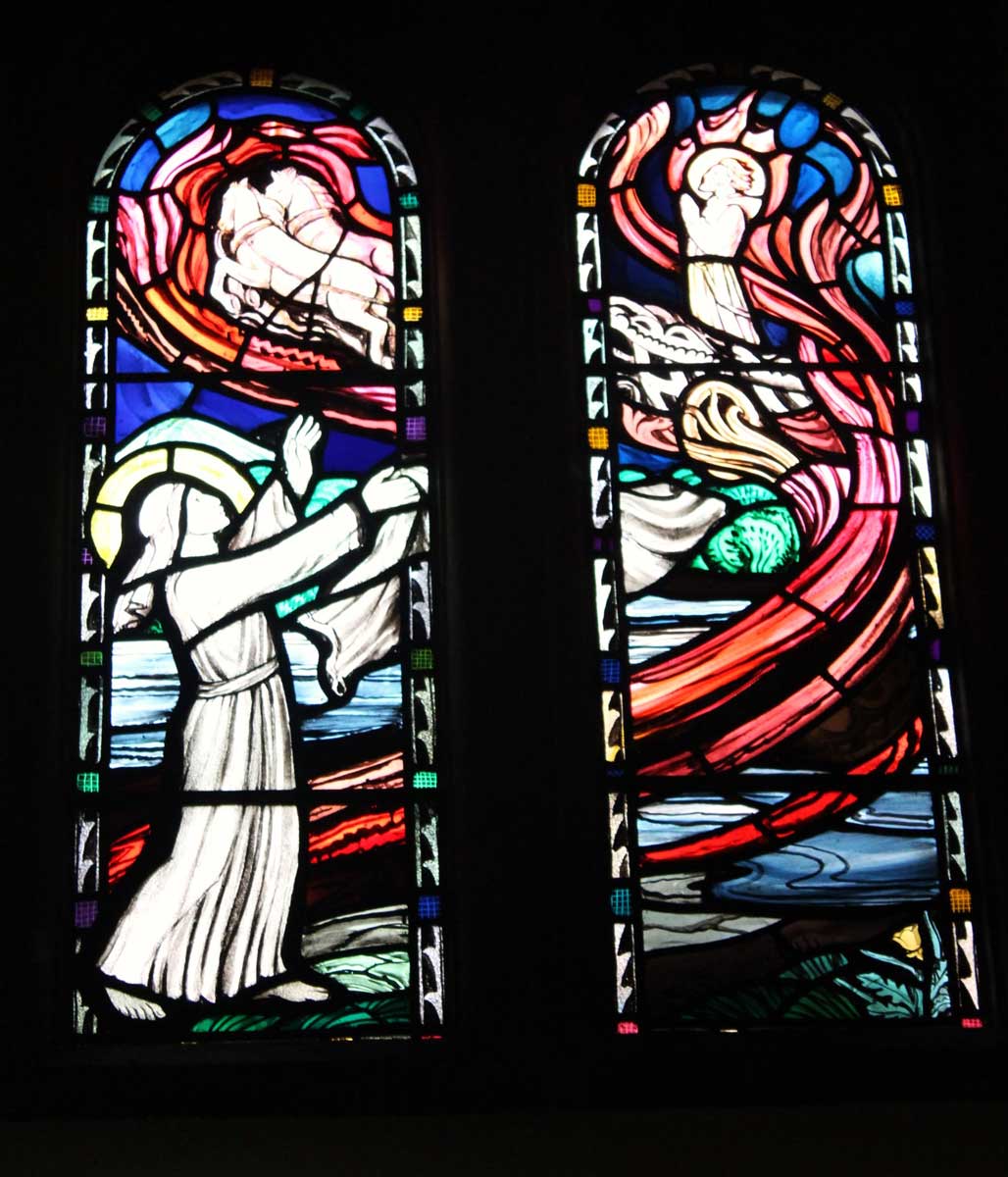
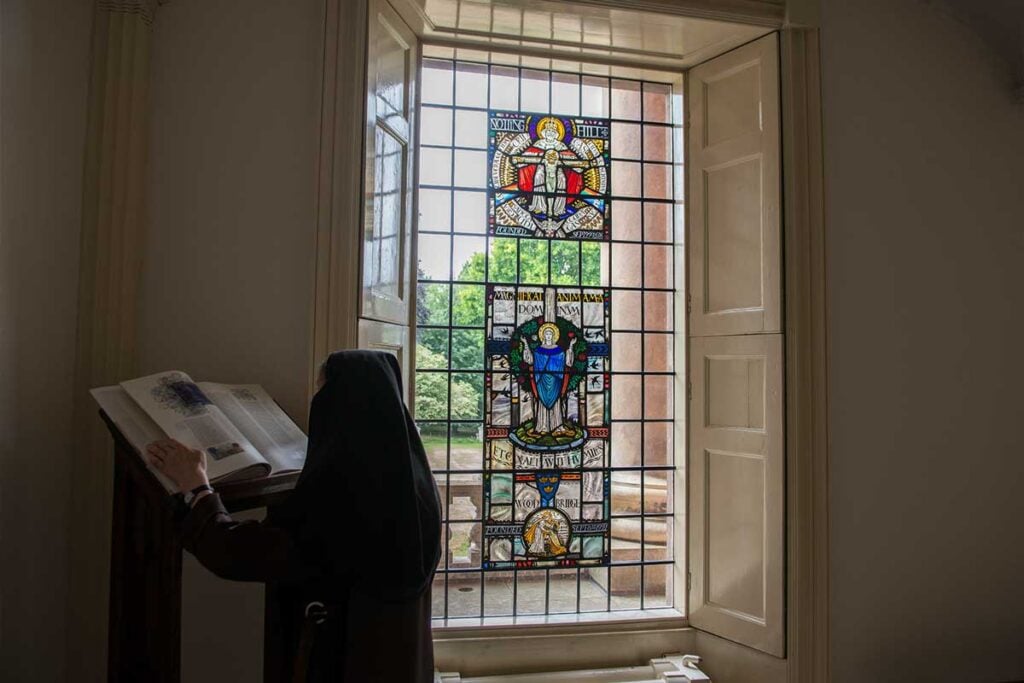
Stained glass window in our chapel showing Elijah going up to heaven in a fiery chariot (by Sr Margaret Rope (1882-1953))

“Each of you is to stay in his own cell or nearby, pondering the Lord’s law day and night and keeping watch at his prayers.”
~ The Rule of St Albert


St Teresa’s Carmel
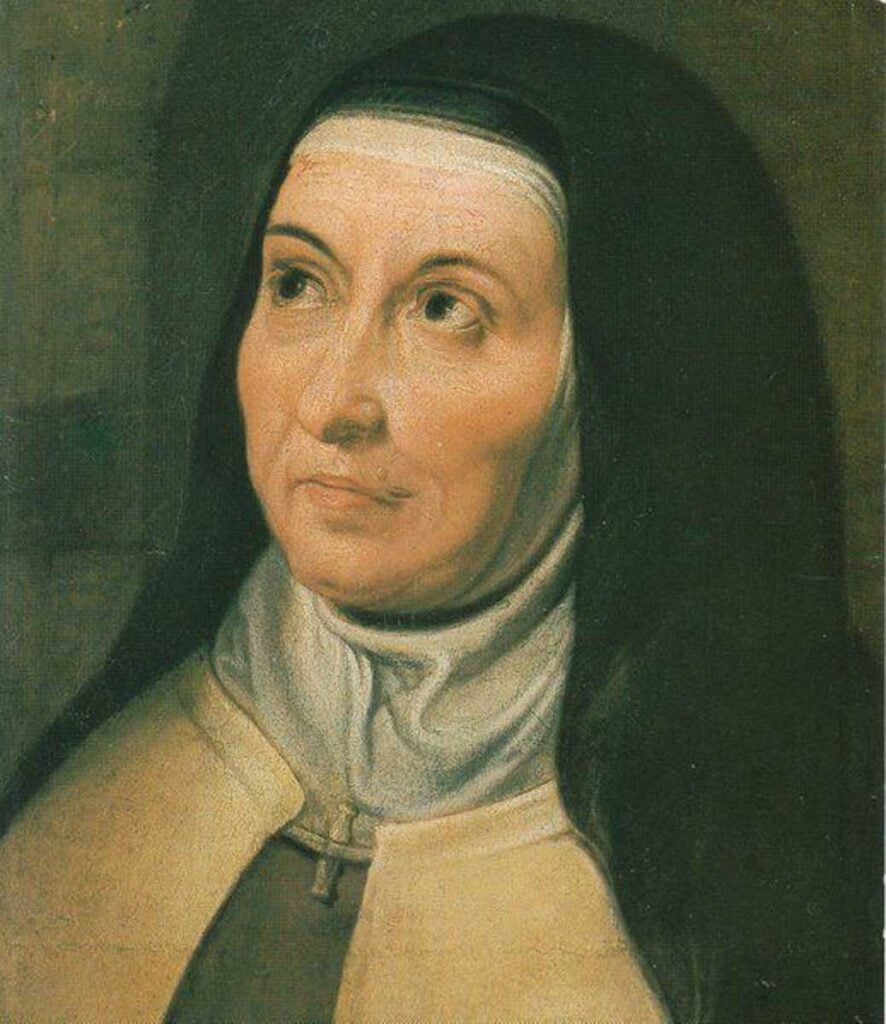
Driven by a deep love for God, 16th Century Spanish St Teresa of Avila resolved to found monasteries for those who ardently desired a life of total surrender to God. The high ideal set before the Teresian Carmelite was to follow Jesus as perfectly as possible in a life of continual prayer.
St Teresa never wavered during her life in her conviction that the Reform she had ushered in was very important to the Church. She sought to return to a more faithful observance of the original spirit of Carmel as developed by the first hermits. She therefore placed a great emphasis on the importance of silence and solitude to foster an eremitical atmosphere, while at the same time she recognised the value inherent in living together as a religious community.
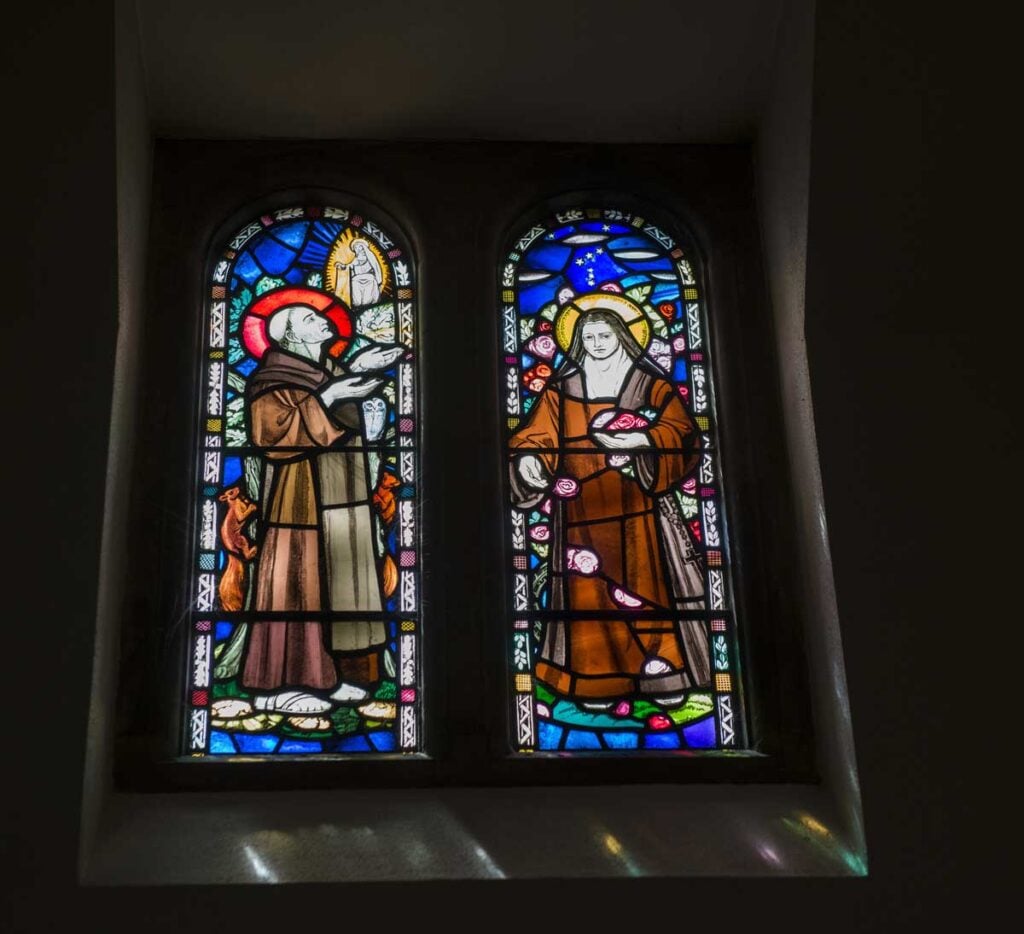
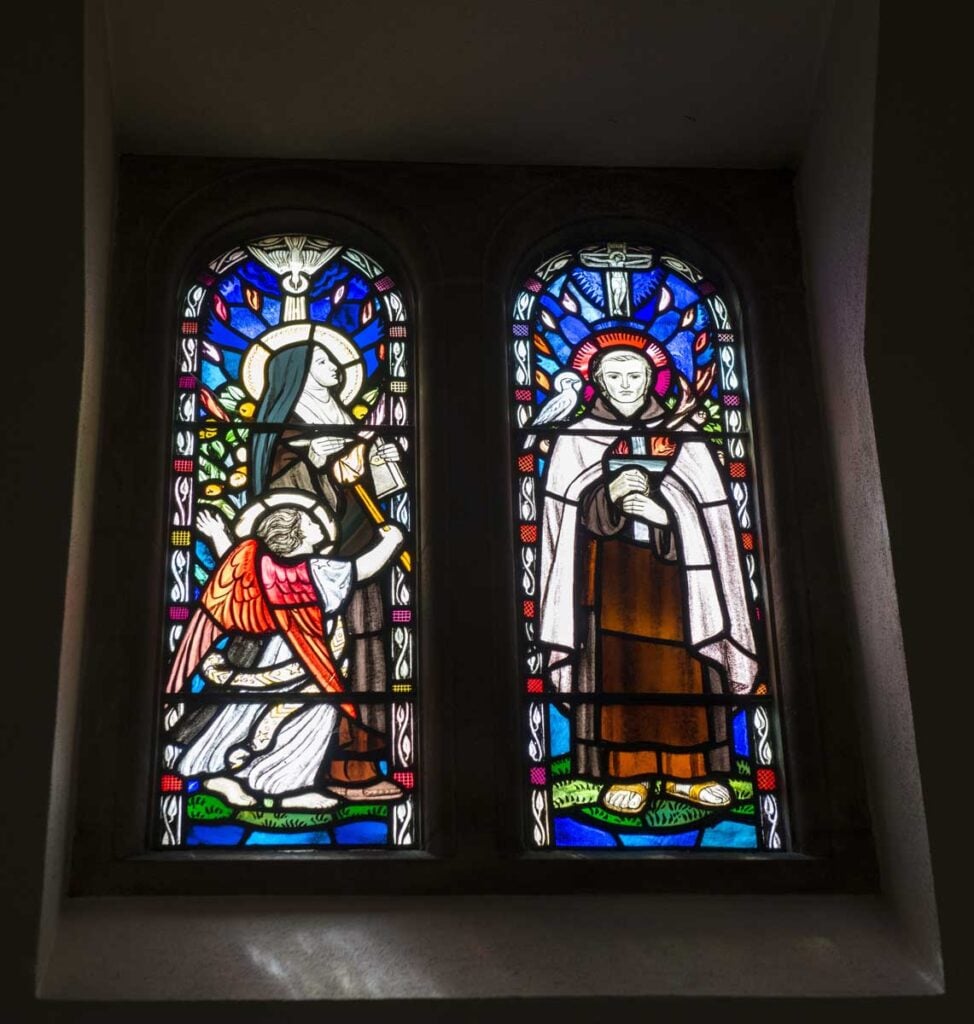
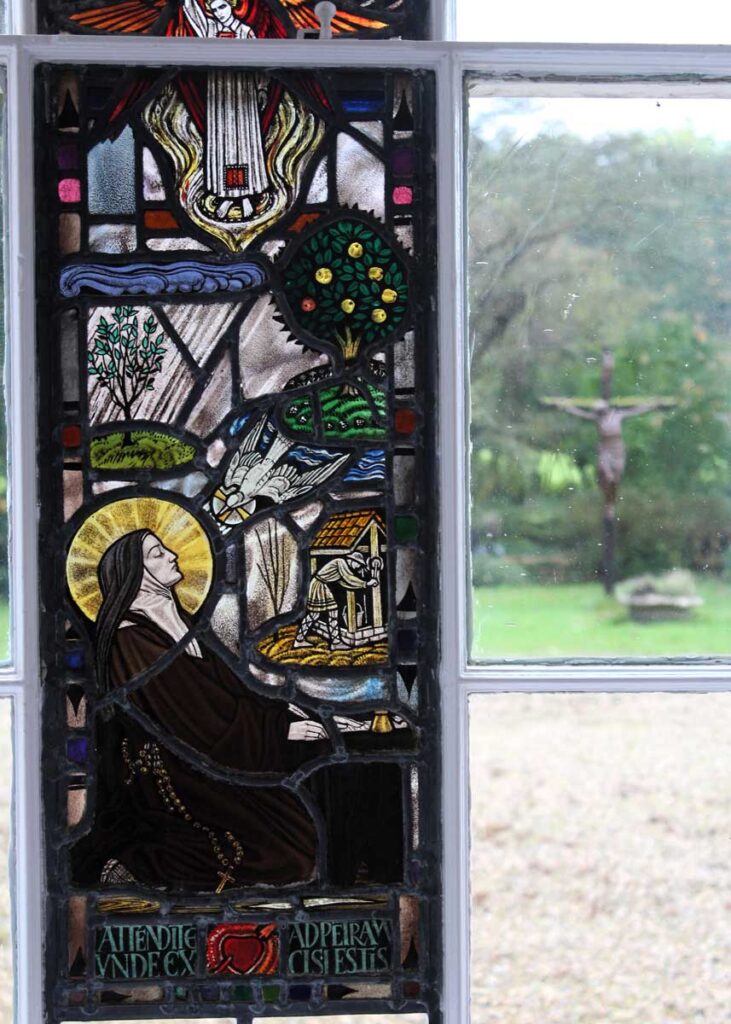
“For the whole manner of life we are trying to live is making us not only nuns but hermits.”
~ St Teresa of Avila
In remembrance for their noteworthy spiritual works and legacy
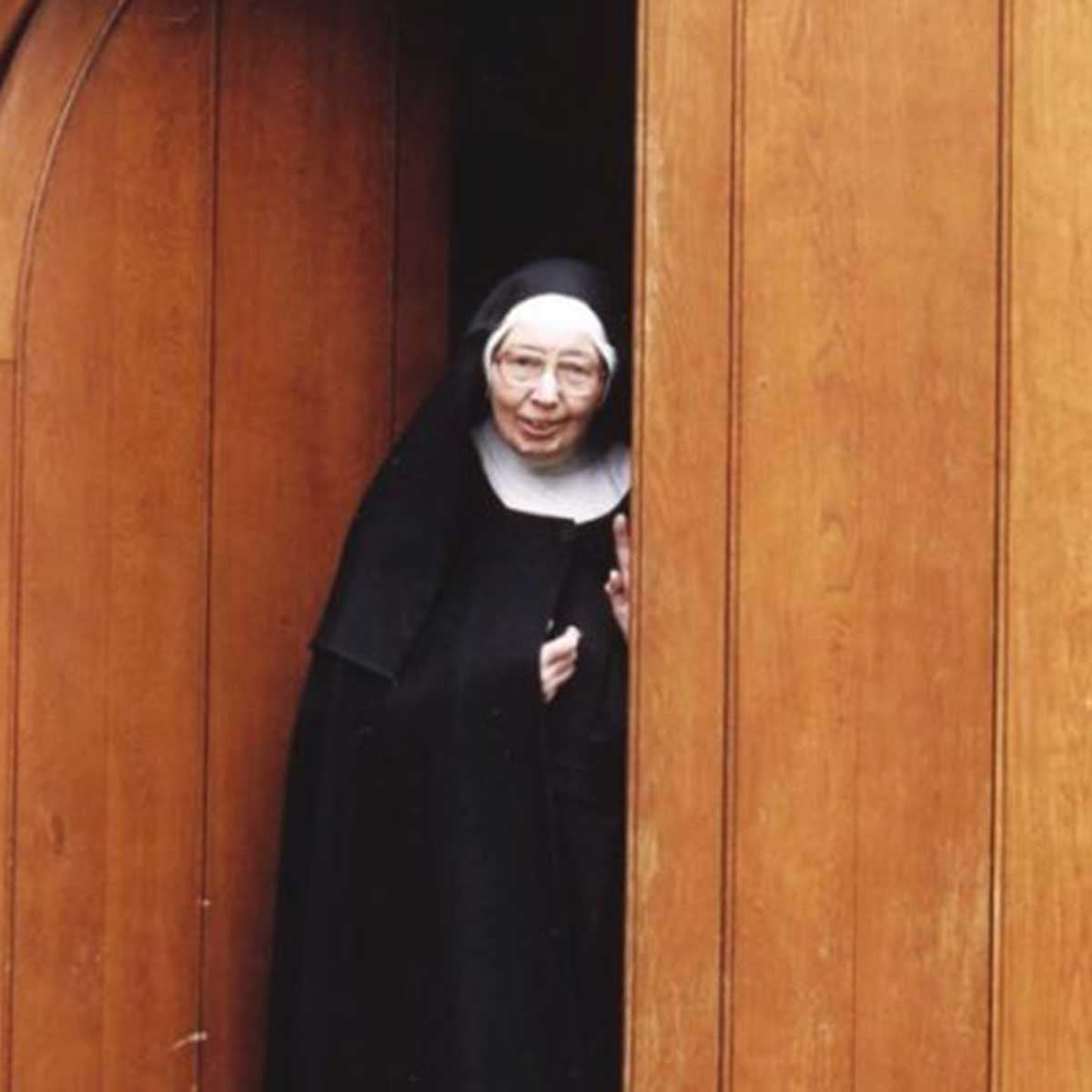
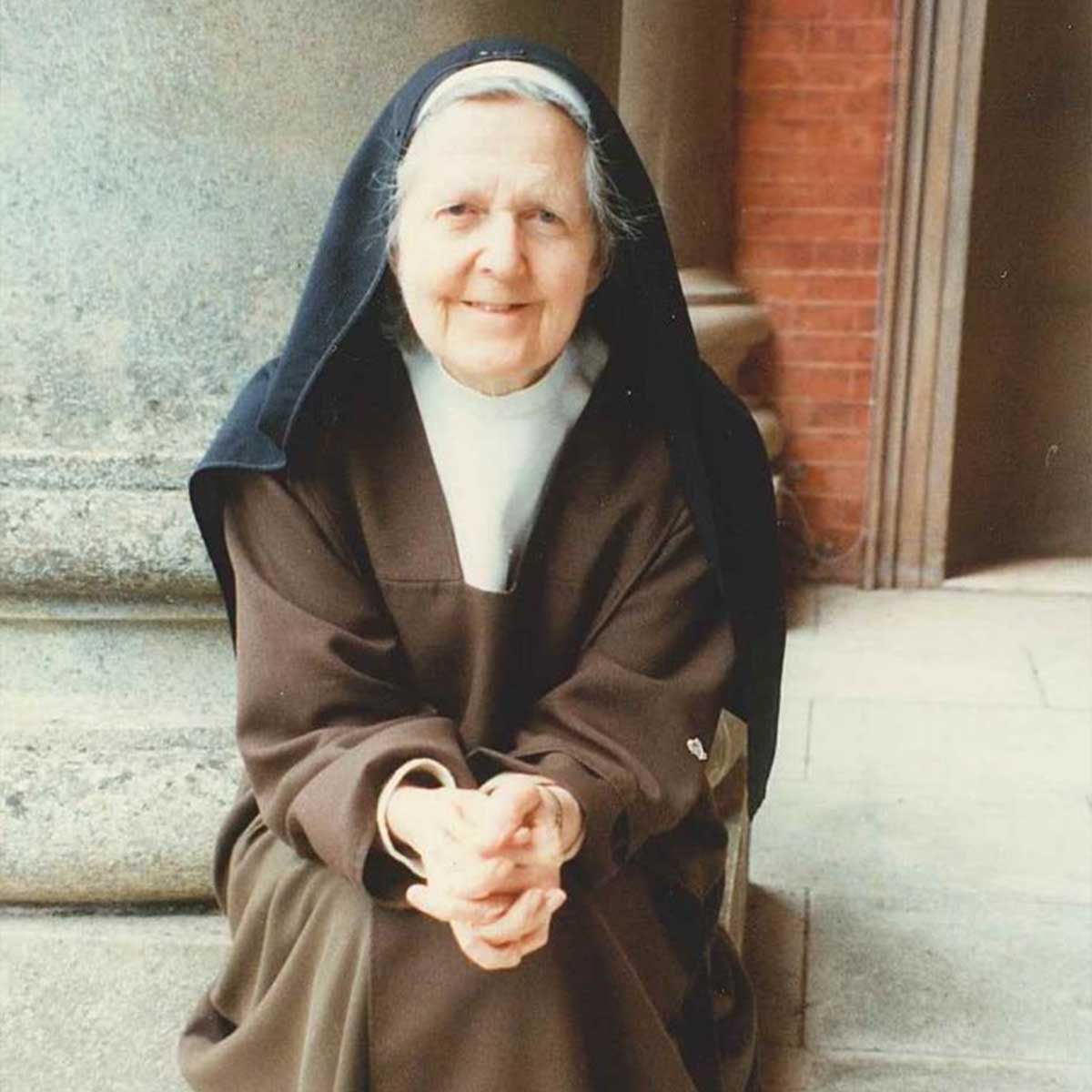
Sr Wendy Beckett (1930-2018)
Sr Wendy Beckett was born in Johannesburg, South Africa, in 1930, but her early childhood was spent in Scotland. She became known internationally during the 1990s as Sister Wendy when she presented a series of BBC television documentaries on the history of art. More films followed and her numerous books on art and prayer became bestsellers.
Earlier on in her life she had first entered the teaching order of the Sisters of Notre Dame but as her health deteriorated it became clear that she needed to be in a contemplative environment to flourish. However, by then she was already in her forties and a transfer to another Order was not possible or even desirable.
After a period of discernment, she became a Consecrated Virgin in 1972 and came to live in a caravan in the grounds of Quidenham where she could spend seven hours a day in prayer. She would come to the monastery for Mass and part of the Divine Office and also receive her food from the kitchen but was otherwise quite independent.
She encouraged Ruth Burrows (Sr Rachel) to write her first book, the autobiographical Before the Living God, which was followed by Guidelines for Mystical Prayer, with Wendy going under the pseudonym of Claire, and Ruth that of Petra.
Although Wendy was not a member of the Carmelite community, she became identified with it in many ways and a familiar figure to outsiders. She died on 26 December 2018.
Her books include:
- Dearest Sister Wendy: A Surprising Story of Faith and Friendship (2022)
- Sister Wendy on Prayer (2007)
- Sister Wendy's Meditations on the Mysteries of Our Faith (2007)
- Speaking to the Heart: 100 Favourite Poems (2006)
- Sister Wendy’s Story of Painting (1996)
Ruth Burrows (Sr Rachel) (1923- 2023)
Sr Rachel was born in 1923 into a loving Catholic family in Sheffield, the third of seven children. Although she had passed the necessary examinations to be admitted to Oxford University, she renounced an academic future in favour of entering Mansfield Carmel a few weeks after her eighteenth birthday. The community of that Carmel then moved to Ashbourne before finally moving to Quidenham where she served as prioress for a good number of years. She went to God on 10 November 2023, aged 100.
During her life she became a well-known spiritual writer and her first book, Before the Living God, was published in 1975. This was followed by many others such as:
- Guidelines for Mystical Prayer
- To Believe in Jesus
- Interior Castle Explored
- Ascent to Love
- Essence of Prayer
- Love Unknown (The Archbishop of Canterbury's Lent book)